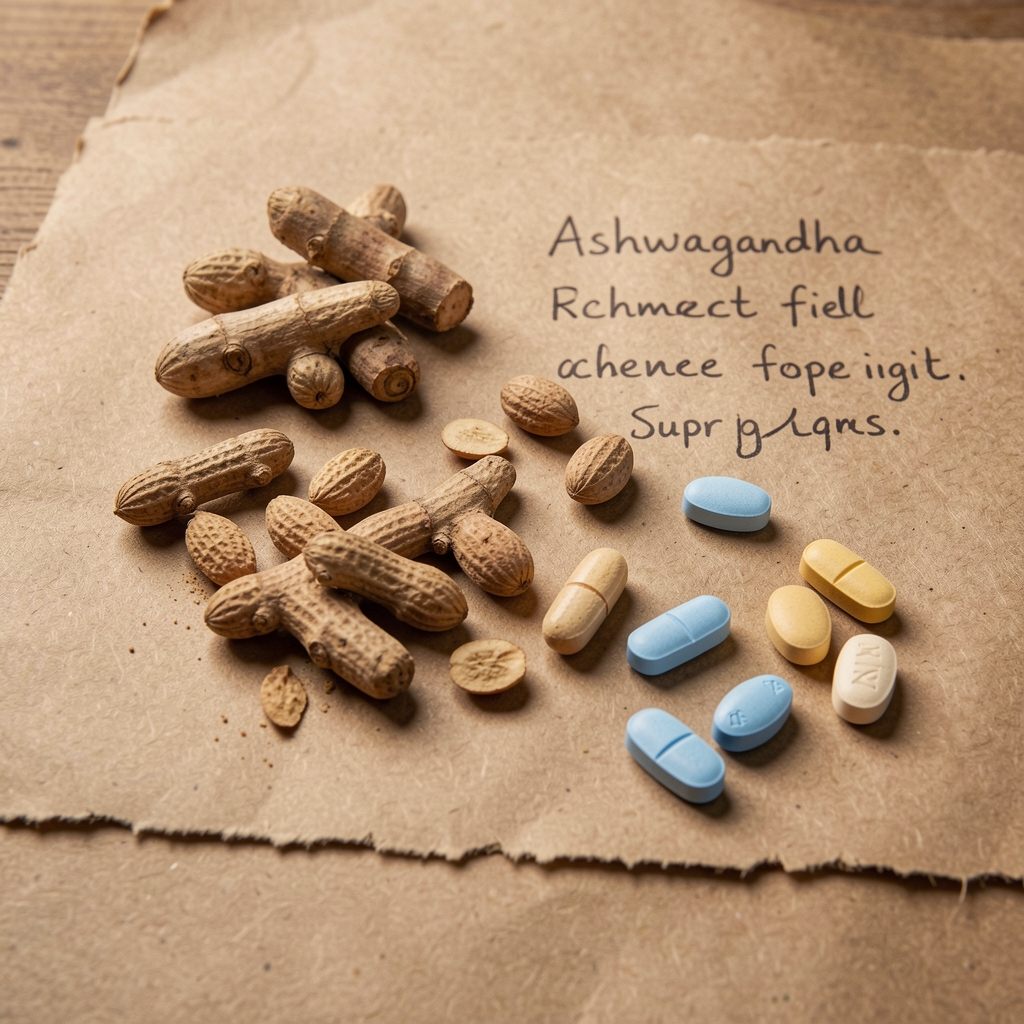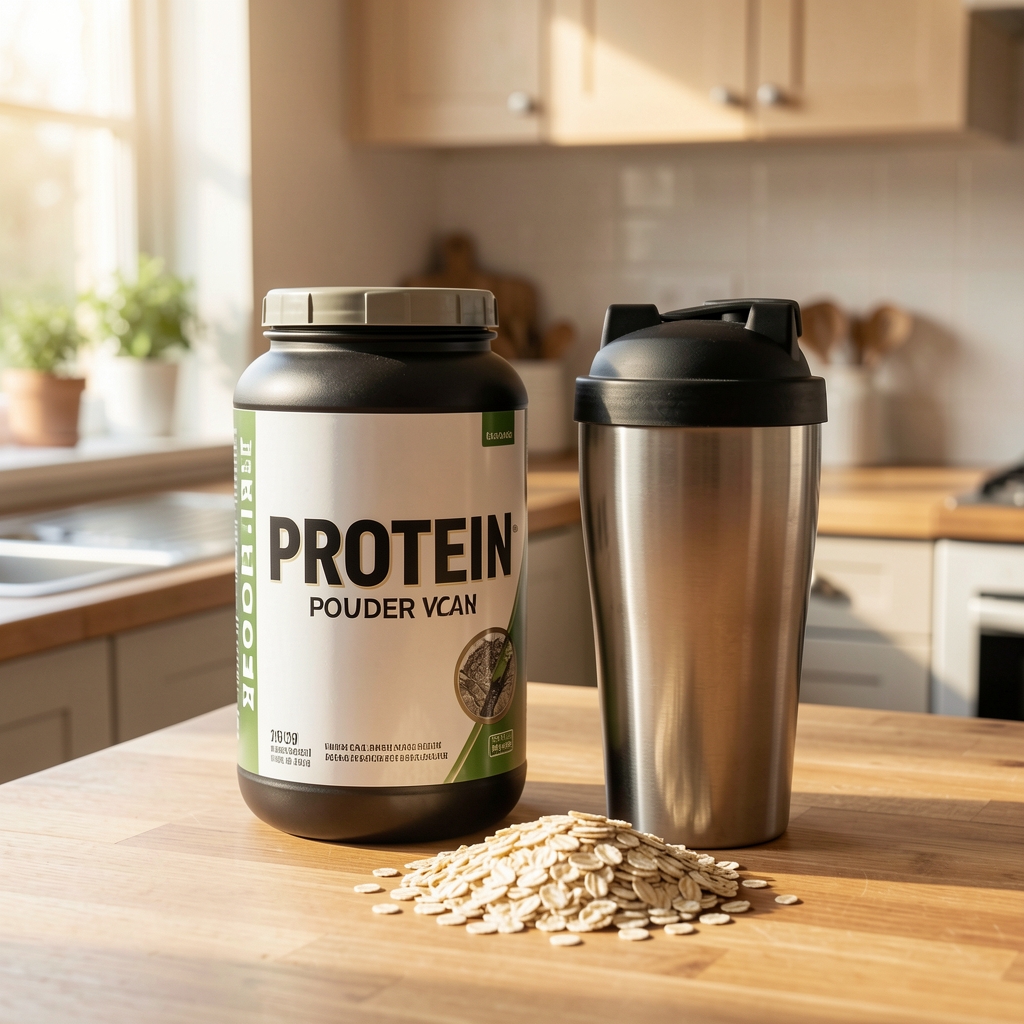
Performance nutrition for men engaged in an active lifestyle spans a wider terrain than gym-centric supplement culture typically acknowledges. Outdoor fitness — trail running, cycling, hiking, and open-water swimming — imposes different physiological demands on the body than resistance training, and the nutritional literature relevant to energy and stamina in those contexts is both more varied and less frequently cited in mainstream men's wellness coverage.
Energy and Stamina: Defining the Nutritional Parameters
Energy and stamina, as documented in nutritional research, are not single variables. They are composite observations that include sustained aerobic capacity, resistance to perceived exertion increase, recovery rate between efforts, and the maintenance of cognitive sharpness during prolonged physical activity. Each of these dimensions has a distinct nutritional relationship, and the compounds relevant to one are not necessarily relevant to another.
Vitamin B12 contributes to normal energy production at the cellular level, and its role is most relevant for men who follow plant-based formulations without fortification, where B12 status can drift without supplementation. CoQ10, an endogenous compound involved in cellular energy production, is documented in published nutritional research as supportive of mitochondrial function in contexts of sustained aerobic effort. Both compounds are identifiable in active lifestyle support formulations aimed at men with regular outdoor fitness schedules.
Iron contributes to normal oxygen transport in the body — a function that is directly relevant to aerobic capacity. Men following plant-based eating patterns should note that non-haem iron from plant sources has lower absorption rates than haem iron from animal sources, and that this is an area where formulation documentation matters: the iron form listed on a batch certificate determines whether editorial coverage can draw on the absorption research.
Outdoor Fitness Recovery and the Weekend Reset
Recovery nutrition for outdoor fitness differs from gym-context recovery in one significant structural way: the window between activity and nutrition is often longer. A trail run that covers 15 kilometres in mountainous terrain may conclude far from any meal preparation context, and the carbohydrate and protein restitution that published research recommends within 30–45 minutes of sustained aerobic effort is not always practically achievable.
This practical constraint is where portable whole-food sourced nutrition becomes relevant: compressed date-and-nut formulations, rice-cake-based recovery snacks with pea protein additions, or mineral-rich broths consumed in a flask. Each of these provides a partial but practically achievable recovery response for the active lifestyle context. The nutritional literature on post-exercise recovery consistently supports the principle that a partial nutritional response within a realistic window is more effective than a theoretically optimal response delivered two hours later.
The weekend reset pattern — a more extended and intentional recovery structured around Saturday and Sunday when training volume is lower — allows for more deliberate nutritional restitution. This is when batch-tested magnesium supplementation (contributing to normal energy metabolism and reducing tiredness), structured hydration, and higher-protein whole-food meals can be applied more systematically. For men whose work-life rhythm concentrates outdoor fitness in weekend blocks, the weekend reset is a nutritionally significant window that deserves its own editorial coverage.
"A partial nutritional response within a realistic window is more effective than an optimal response delivered two hours too late."
Harriet Linwood, Roleva Notebook — March 2026
Lean Body Support: What the Research Actually Documents
Lean body support, as an editorial category in men's supplement coverage, suffers from a persistent conflation between fat-loss claims and the actual nutritional research on body composition maintenance. The published literature in this area is more modest and more precise than consumer-facing product copy typically acknowledges. Protein intake adequate to support normal muscle protein synthesis is the most consistently documented nutritional variable for lean body composition maintenance in active men. The operative word is adequate: current published guidance from nutrition research bodies places this at approximately 1.6–2.2 grams per kilogram of body weight per day for men engaging in regular resistance or endurance activity.
The editorial function of men's supplement guide coverage in this area is to map product formulations against these reference values. A protein-rich supplement providing 20 grams of plant-based protein per serving contributes meaningfully to this daily total. A product providing 5 grams alongside a list of 20 other ingredients provides a negligible protein contribution and should be evaluated on the basis of its other compounds rather than its protein content.
Chromium contributes to normal macronutrient metabolism, and its role in the context of balanced eating habits for active men is documented — though at modest effect sizes in the published literature. Iodine contributes to normal energy metabolism, and its presence in a formulation aimed at men following plant-based diets (where seaweed is the primary dietary source and intake is highly variable) is a nutritionally justified inclusion. These are the kinds of formulation-level details that distinguish an editorial men's supplement guide from a product-promotion channel.
Third-Party Verification and the Editorial Standard
Content published on Roleva Notebook applies a consistent standard when reviewing performance nutrition formulations: a batch certificate must be obtainable, or a third-party verification report must be referenced, before the formulation's label claims can be discussed as accurate. This standard does not require the producer to publish the full certificate publicly — but it does require that editorial contact with the producer has confirmed the documentation exists and has been reviewed.
The practical effect of this standard is that some widely distributed and heavily marketed formulations cannot be covered in this publication because their documentation does not meet the threshold. This is not a criticism of those products per se, but it does limit the editorial claims that can be made about them with accuracy.
For readers building a personal active lifestyle support stack, the documentation standard provides a practical filter: if a producer cannot supply a batch certificate or point to a third-party verification report on request, their label claims remain unverifiable, and any purchase decision rests on trust rather than evidence. This is a distinction worth maintaining in a market where formulation claims have outpaced the documentation infrastructure that would allow independent verification.
Grooming Essentials and the Whole-Day Routine
Performance nutrition for men with active lifestyles extends, in one practical sense, into the grooming essentials category. Collagen peptides — increasingly present in men's wellness journal coverage — are relevant here not as a structural supplement in the gym-focused sense, but as a compound that contributes to normal collagen synthesis in connective tissue, including skin. For men spending significant time in outdoor environments with UV and environmental exposure, a daily collagen peptide routine represents a considered nutritional practice rather than a cosmetic one.
Vitamin C, which supports the normal function of the immune system and contributes to normal collagen formation, is the natural paired compound in this context. The combination of vitamin C with a collagen peptide supplement is documented in published nutritional research as relevant to normal connective tissue maintenance in active populations.
The whole-day routine perspective — integrating morning nutrition, active-period fuelling, recovery nutrition, and evening grooming essentials — represents the most complete editorial framework for men's supplement coverage. It acknowledges that performance nutrition is not a single window event but a structured daily practice, and it positions the supplement industry in relation to that practice rather than as its replacement.
- 01 Outdoor fitness nutrition requires portable whole-food solutions that accommodate realistic post-activity windows.
- 02 Iron form on the batch certificate determines whether absorption research is applicable to a given formulation.
- 03 Lean body support is most accurately reviewed through protein adequacy (1.6–2.2 g/kg/day), not through fat-loss terminology.
- 04 Third-party batch verification is the editorial threshold for covering any formulation's label claims as accurate.
- 05 The weekend reset pattern provides the most practical window for systematic recovery nutrition in work-week-constrained active routines.